

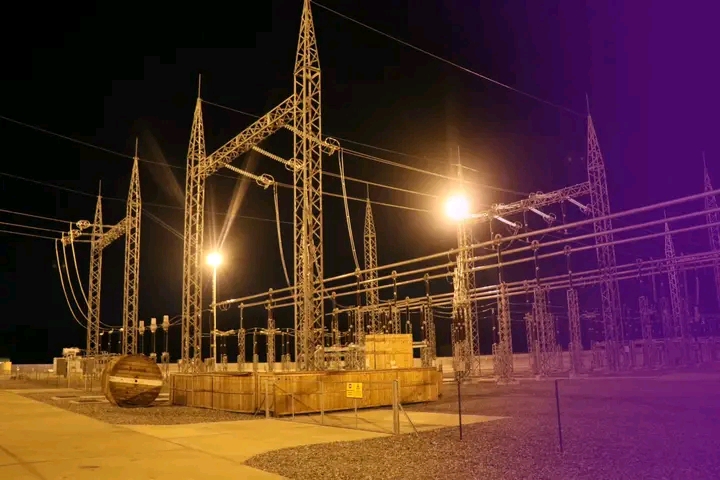
Botswana’s P2.5 Billion Power Subsidy Sparks Tariff Reform Debate. Botswana’s electricity pricing model is facing mounting scrutiny after government disclosed it spent P2.5 billion in the 2025/26 financial year to support the national power utility. The announcement has raised concerns about the sustainability of the country’s energy subsidies and the long-term viability of its tariff structure.
Speaking in Parliament during the Committee of Supply, Minister of Minerals and Energy Bogolo Kenewendo highlighted that electricity tariffs remain significantly below the actual cost of supply. The current average tariff is 148 thebe per kilowatt-hour, far lower than the cost of producing and importing electricity. This gap, she explained, places a heavy financial burden on both government and the Botswana Power Corporation (BPC).
Kenewendo noted that while tariffs were reduced by 30 percent to cushion low-income households, the subsidy structure has inadvertently benefitted all consumers, including those able to afford cost-reflective tariffs. She further pointed out that electricity imports, which account for about 35 percent of Botswana’s supply, remain a major cost driver, with regional prices continuing to rise.
To address these challenges, the Botswana Energy Regulatory Authority (BERA) is preparing to introduce a performance-based multi-year tariff framework. The reforms will gradually align electricity prices with the real cost of supply, while differentiating between consumer groups to ensure affordability for vulnerable households.
These measures form part of Botswana’s National Energy Compact, a strategic initiative aimed at expanding energy access, strengthening regional energy trade, and supporting economic diversification. Government is collaborating with international partners including the World Bank, the African Development Bank, Sustainable Energy for All, and the Global Energy Alliance for People and Planet to implement the programme.
Kenewendo emphasized that the reforms are designed to achieve universal electricity access by 2030, while ensuring the financial sustainability of Botswana’s power sector.
Join 'Botswana Entrepreneurs Magazine' WhatsApp Channel
Stay inspired with the latest entrepreneurship news in Botswana — delivered directly to your WhatsApp.
CLICK HERE TO JOIN