

Botswana Experts Call for Stronger Community-Driven Solutions in KAZA Elephant Conservation Efforts. Botswana’s role in safeguarding the African elephant continues to attract regional attention, particularly within the Kavango Zambezi Transfrontier Conservation Area (KAZA), the world’s largest transboundary conservation landscape. With Botswana holding the largest elephant population globally, conversations around sustainable management and regional collaboration remain central for policymakers, conservationists and entrepreneurs operating within nature-based industries.
The KAZA region spans 516 406 square kilometres, bringing together Botswana, Angola, Namibia, Zambia and Zimbabwe. It includes 36 protected areas, comprising national parks, community conservancies, game reserves and wildlife management zones. Member states cooperate on shared conservation policies, natural resource management and tourism development, recognising the region’s economic potential through responsible, nature-based enterprise.
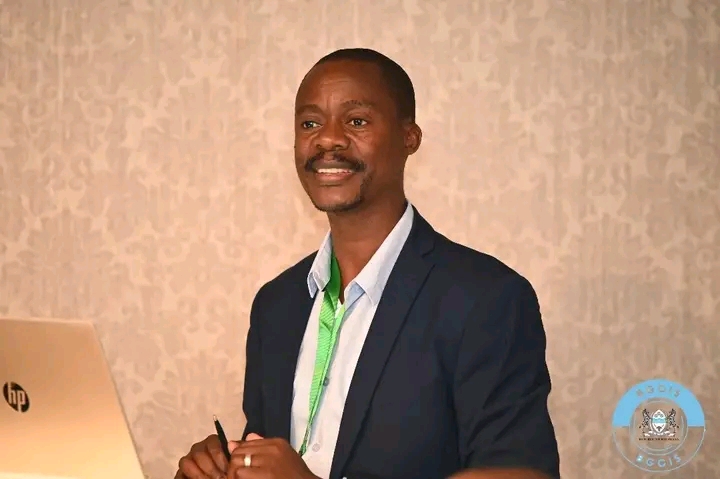
A presentation by Professor Ditiro Benson Moalafhi, Acting Dean in the Faculty of Research and Graduate Studies, highlighted the critical role universities play in strengthening conservation decision-making. He noted that academic institutions contribute long-term ecological research, support policy communication strategies and provide professional development opportunities that benefit conservation practitioners and local industries linked to wildlife tourism.
Discussing the theme of sustainability, Professor Victor Muposhi from the Department of Wildlife and Aquatic Resources emphasised that balancing conservation priorities with community needs is both a national and global responsibility. He stated that coexistence between people and wildlife is essential for protecting biodiversity while supporting livelihoods in areas that depend on tourism and natural resources.
Professor Muposhi also outlined pressing challenges, including water scarcity, shifting elephant ranging patterns, landscape changes, human-elephant conflict and rising incidents of crop damage. These pressures, driven in part by climate variability and excessive droughts, continue to place strain on communities and ecosystems.
The discussion highlighted emerging tools such as Telemetry data, which includes GPS tracking and spatial analysis, as well as citizen science contributions that help reduce human-elephant conflict.Panelists—Professor Muposhi, Mr Neo Mahupeleng and Mr Mokwaledi Mafa—agreed that strengthening community involvement remains essential. They emphasised that long-term conservation success depends on working directly with the people most affected, ensuring that local knowledge, safety concerns and economic realities form part of sustainable solutions.
For Botswana’s entrepreneurs, especially those in tourism, agriculture and conservation-linked sectors, these insights reaffirm the importance of collaborative, community-grounded approaches in building a resilient and responsible nature-based economy.
Join 'Botswana Entrepreneurs Magazine' WhatsApp Channel
Stay inspired with the latest entrepreneurship news in Botswana — delivered directly to your WhatsApp.
CLICK HERE TO JOIN