

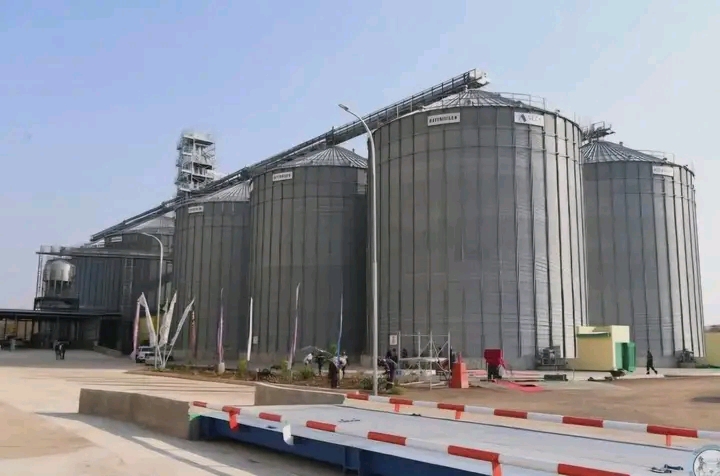
Pandamatenga SEZ Emerges as a Growth Pathway for Botswana’s Small Farmers and Agribusinesses. The Pandamatenga Special Economic Zone has begun opening new avenues for small-scale farmers and emerging businesses, following ongoing investments aimed at strengthening Botswana’s agro-industrial capacity. With its newly completed 60,000-tonne grain silos and more than 100 hectares designated for processing and packaging facilities, the zone is positioning itself as one of the country’s most promising hubs for agricultural expansion and value-addition.
For small farmers, the increased storage infrastructure offers practical advantages at harvest time. Expanded silo capacity gives growers more flexibility in deciding when to sell their produce, helping reduce post-harvest losses that often limit profits. The facility also allows producers to negotiate from a stronger market position, particularly during periods of price fluctuation.
SMMEs stand to benefit from opportunities in agro-processing, an area identified as critical to strengthening Botswana’s competitiveness. Entrepreneurs can explore ventures in milling, oil extraction, grain cleaning, food packaging and other value-addition activities that extend the economic life of locally grown crops. The availability of serviced industrial land within the zone makes it easier for emerging businesses to establish operations without prohibitive upfront costs.
Pandamatenga’s proximity to the borders of Zambia, Zimbabwe and Namibia presents additional advantages for exporters seeking access to larger regional markets. For businesses operating inside the SEZ, incentives such as reduced corporate tax rates, duty-free importation of raw materials and simplified approvals through a centralised one-stop service centre help further lower barriers to growth.
Despite these opportunities, several challenges remain for smaller players. Limited access to affordable capital, skills shortages and competition from established commercial farmers continue to affect participation. Wildlife-related risks also remain a concern for producers working near protected areas.
Industry experts note that collective strategies such as cooperatives, partnerships with larger agribusinesses and targeted financing support could help small farmers and SMMEs fully utilise the zone’s potential.
Join 'Botswana Entrepreneurs Magazine' WhatsApp Channel
Stay inspired with the latest entrepreneurship news in Botswana — delivered directly to your WhatsApp.
CLICK HERE TO JOIN