

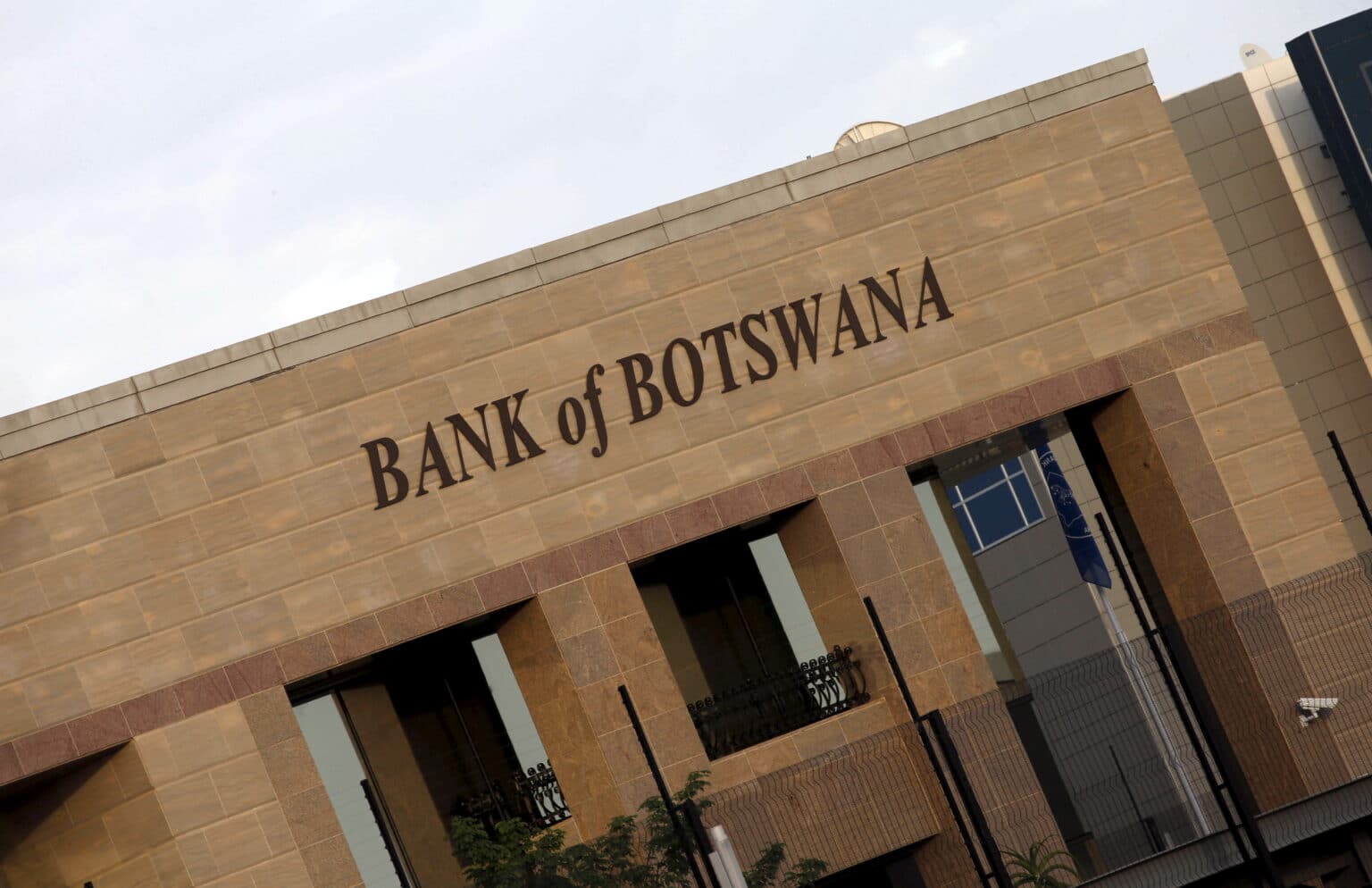
Pula Depreciation Raises Costs and Questions for Botswana’s Business Sector. The Bank of Botswana has adjusted its projected rate of depreciation for the Pula to 2.76% over the next 12 months, a significant increase from the previous 1.51%. While the move is intended to boost export competitiveness, the shift is already drawing attention from Botswana’s business community, particularly small and medium enterprises (SMEs).
The depreciation is expected to make locally produced goods more attractive to international buyers by lowering export prices. However, for enterprises reliant on imported goods, materials, or equipment, the weakening Pula poses new cost challenges. Increased input costs, coupled with rising inflation, may force some businesses to reconsider pricing, sourcing strategies, and even long-term viability.
The current depreciation also reignites the conversation around localisation and innovation. For some businesses, it may be the push needed to source locally, diversify supplier networks, or explore value-addition to reduce import dependency. However, not all sectors have immediate alternatives available, especially in manufacturing and retail, where foreign-sourced inputs are dominant.
Business leaders and financial advisors alike are calling for more accessible financial literacy tools, affordable hedging options, and strategic support from institutions to help entrepreneurs navigate the uncertainty.
As the Pula continues its downward adjustment, Botswana’s private sector is being urged to build resilience, review financial exposure to foreign currencies, and consider longer-term shifts in supply chain and pricing strategies.
Join 'Botswana Entrepreneurs Magazine' WhatsApp Channel
Stay inspired with the latest entrepreneurship news in Botswana — delivered directly to your WhatsApp.
CLICK HERE TO JOIN